
Hysterectomy Recovery
Sort by
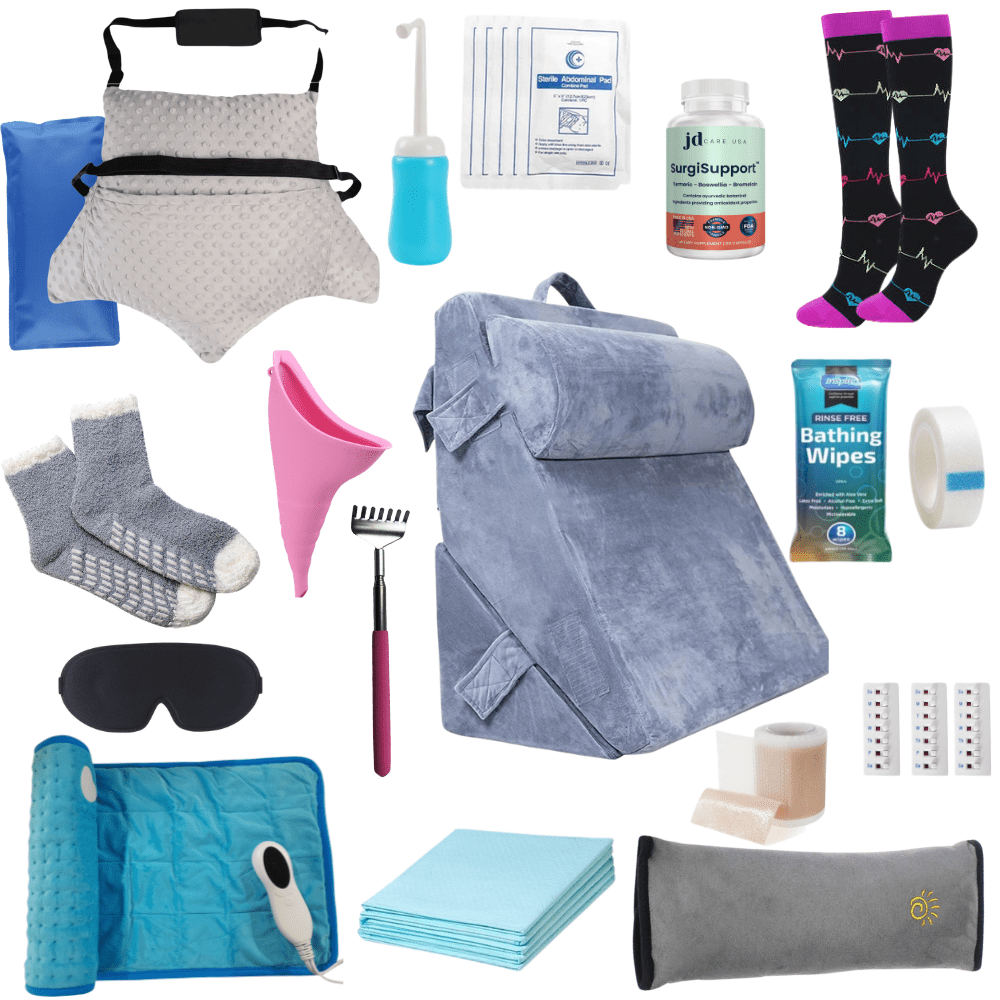
The Only 2 Hysterectomy Recovery Must-Haves You Really Need: A Minimalist Hysterectomy Recovery Kit
You don't need a trunkful of gadgets to recover well after surgery. For a smooth hysterectomy recovery, focus on two essentials that directly reduce friction in daily life: (1) comfort and safe mobility, and (2) incision care plus hydration and gut support. This minimalist hysterectomy recovery kit pares noise from necessity so you can move, sleep, and heal with fewer setbacks. Below, you'll get a concise, practical checklist with pro-level tips so you can set up your space, manage discomfort, and support your body through the typical hysterectomy recovery period without overspending or overthinking.1, 2, 3
Key Takeaways
- A minimalist hysterectomy recovery kit focused on comfort and safe mobility can reduce pain spikes and support healing.1, 2
- Use abdominal support if approved, loose high-waisted clothing, a recovery chair setup, and slip-on non-skid shoes to improve comfort and movement.1, 4
- Prioritize incision care by keeping wounds clean and dry and following your surgeon’s instructions closely.2, 5
- Hydrate well and use stool softeners, laxatives, and fiber only as directed to help prevent constipation and support gut health.2, 5, 6
- Start short, frequent walks early, as advised by your doctor, to reduce stiffness and support recovery.1, 2, 6
- Keep essential items like medications, your phone, and tissues within reach to minimize unnecessary movement and strain.1
1. Comfort And Mobility Essentials: Your Core Hysterectomy Recovery Kit
Your first “must-have” is a thoughtful comfort-and-mobility setup. If you can get in and out of bed safely, walk in short bursts, and support your abdomen for coughing, sneezing, or bathroom trips, you may reduce pain spikes and lower the risk of complications associated with prolonged immobility.1, 2, 6
What to include (and why it works)
- Abdominal support (binder or high-rise compression underwear): Light, even support may help you feel more secure when moving or coughing. Avoid over-tightening, because support should not restrict breathing or feel painful.1
- Loose, high-waisted clothing: Soft joggers or nightgowns that sit above your incisions can reduce friction and discomfort.
- A dedicated “recovery chair” setup: A recliner, or a firm chair plus a wedge pillow and small lumbar pillow, may make it easier to stand without straining your core. If you sleep in a bed, wedges under your back and knees may make rolling and rising less painful.1
- Heat and cold therapy: Some patients find heat helpful for shoulder or back tension and cold helpful for sore areas, but do not apply either directly over the incision unless your surgeon says it is okay.
- Slip-on, non-skid shoes: Stable footwear can reduce fall risk when bending for laces is difficult.
- A lightweight throw pillow (for splinting): Hugging a pillow when coughing, sneezing, or standing can make movement more comfortable.1
- Long charging cables and a small crossbody or apron pouch: Keeping essentials within easy reach helps you move more intentionally.
- A grabber/reacher tool: This can reduce twisting and bending for dropped items or low shelves.
- Seat-belt and car-ride cushion: A small cushion between the belt and abdomen may reduce irritation on early rides home.
JDCare USA has curated this hysterectomy recovery kit so that you or your loved one can focus on healing and not have to think about what to get to help with recovery.
Daily mobility plan (your low-risk “exercise”)
- Start short, frequent walks: Walking is commonly recommended after hysterectomy, with gradual increases based on your surgeon’s advice and your energy level.1, 2, 6
- Use the log-roll technique: Rolling to your side, dropping your legs off the bed, and pushing up with your arms may help you get up with less strain.
- Pace, don’t power through: Doing too much too soon can increase pain and fatigue during recovery.2
Pain and energy management tactics
- Align medications with movement: Take prescription or over-the-counter medications only as directed by your clinician. Timing pain relief before a shower or longer walk may help you move more comfortably.1, 5
- Micro-rests over marathon naps: Short daytime rests may help with swelling and fatigue without interfering as much with nighttime sleep.
- Light compression socks (if approved): These may help with leg swelling during longer sitting periods or car rides.
Real-life setup example
- Morning: Take medications as directed, hydrate, do a short walk, eat breakfast, and use comfort measures approved by your clinician.
- Midday: Rest briefly, use cold or heat only as approved, and take another short walk.
- Evening: Gentle ankle and calf movement, shower if cleared, another short walk, then get settled with wedge pillows.
What to skip (common mistakes)
- Tight shapewear early on: It may restrict breathing and feel uncomfortable.
- Deep bending or twisting to “test” strength: This can flare pain.
- All-day bed rest: Too much immobility can slow bowel function and worsen stiffness.1, 6
Minimalist truth: If you only buy a few things, choose a soft abdominal support if approved, wedge or firm pillows, slip-on shoes, a reacher, and a small pillow for splinting. That compact hysterectomy recovery kit covers many early comfort and mobility needs.
2. Incision Care, Hydration, And Gut Support To Support Hysterectomy Recovery Time
Your second “must-have” centers on incision hygiene plus fluid and gut support. This is where many recoveries slow down: dehydration, constipation, and irritated incisions can make recovery more uncomfortable and prolonged.2, 5, 6
Incision care: clean, dry, simple
- Follow your surgeon’s exact instructions first. Care can differ depending on whether the procedure was abdominal, laparoscopic, robotic, or vaginal.2, 3
- Keep it clean and dry: Showering is often allowed after surgery, but soaking in baths or pools is usually delayed until your surgeon clears it. Pat dry rather than rubbing.2, 5
- Dressings: Change them as directed. If the area is left open to air, loose breathable clothing can reduce friction.
- Skip ointments unless prescribed: Many discharge instructions advise avoiding creams, oils, or powders on the incision unless specifically approved.5
- Watch for red flags: Increasing redness, spreading warmth, thick drainage, foul odor, fever, or escalating pain warrant prompt medical advice.2, 5
- Scar care later: Once fully closed and cleared by your clinician, silicone gels or sheets may be used for scar management.
Hydration: the quiet accelerator of healing
- Many patients are advised to drink fluids regularly after surgery, unless they have been told to restrict fluids for another medical reason.5, 6
- Use water and other tolerated fluids, and ask your doctor whether electrolyte drinks are appropriate for you.
- Practical kit pieces: A large water bottle with a straw lid plus a bedside carafe can make it easier to drink consistently.
Gut support: prevent constipation before it starts
Surgery, anesthesia, iron, reduced activity, and opioid pain medicines can all slow the gut. Constipation is not just uncomfortable; straining can make recovery more unpleasant.5, 6
- Start a stool-softening plan only per clinician guidance: Discharge instructions often recommend a stool softener or mild laxative if approved by your doctor.5, 6
- Fiber the smart way: Increasing fiber gradually, along with fluids, can help support bowel regularity after surgery.5, 6
- Gentle movement, big impact: Walking helps stimulate bowel activity.1, 6
- Gas relief: Some hospital guidance notes that peppermint products may help with trapped wind after gynecologic surgery.7
- Pelvic floor kindness: Using a footstool and avoiding straining may make bowel movements more comfortable.
Simple daily routine (plug-and-play)
- Morning: Water before coffee or tea, breakfast with protein and fiber, and prescribed bowel medications if your clinician advised them.
- Midday: More fluids, a short walk, and a warm beverage if tolerated.
- Afternoon: Another drink, a fiber-rich snack, and another short walk.
- Evening: A light meal, more fluids as tolerated, and unhurried bathroom time.
Safety notes and timelines
- Typical hysterectomy recovery time varies by procedure and your baseline health. Recovery is often shorter after minimally invasive procedures and longer after abdominal hysterectomy. Many patients recover in roughly 4 to 6 weeks, though some need longer and activity restrictions vary by surgeon.1, 2, 3
- Call urgently for symptoms such as calf pain or swelling, sudden shortness of breath, chest pain, heavy bleeding, fever, or severe worsening abdominal pain.2, 5
Minimalist truth: For your hysterectomy recovery kit, the essentials here are a reliable water bottle with a straw, a basic stool softener or laxative if approved, a small footstool for bowel movements, simple gauze or tape if dressings are required, and clear written instructions.
Conclusion
A minimalist hysterectomy recovery kit boils down to two must-haves: (1) comfort-and-mobility tools you’ll use daily, and (2) incision care plus hydration and gut support. With those covered, you can manage pain more comfortably, move more safely, and support healing tissues through recovery. Keep it simple, follow your surgeon’s plan, and build steady habits.1, 2, 5
Hysterectomy Recovery Must-Haves FAQs
What are the essential comfort and mobility items for hysterectomy recovery?
Common helpful items include a soft abdominal support if approved, loose high-waisted clothing, a recovery chair or recliner with pillows, slip-on non-skid shoes, a small pillow for splinting when coughing, and a grabber tool to avoid bending or twisting.1, 4
How can I support my incision care during hysterectomy recovery?
Keep the incision clean and dry, follow your surgeon’s instructions, shower only as directed, pat dry gently, wear loose breathable clothing, change dressings as directed, and avoid ointments unless prescribed. Contact your doctor if you notice redness, drainage, fever, or worsening pain.2, 5
Why is hydration important after a hysterectomy and how much should I drink?
Hydration helps support recovery and may reduce constipation risk after surgery. The right amount varies by person, so follow your doctor’s advice, especially if you have another condition that affects fluid intake.5, 6
What is the recommended approach to manage bowel health after hysterectomy surgery?
Prevent constipation by using stool softeners or mild laxatives only if advised, increasing fiber gradually, drinking enough fluids, and walking as tolerated. Avoid straining and speak with your doctor if you go several days without a bowel movement or develop worsening symptoms.5, 6
How soon can I start walking and moving after a hysterectomy?
Walking is commonly recommended early after surgery, with gradual increases based on how you feel and what your surgeon advises. Avoid overexertion and follow any lifting or activity restrictions you were given.1, 2, 6
What are important safety signs to watch for during hysterectomy recovery?
Seek medical advice right away for symptoms such as calf pain or swelling, sudden shortness of breath, chest pain, heavy bleeding, fever, worsening abdominal pain, or signs of incision infection.2, 5
Other Recovery Kits:
- Surgery Recovery
- Liposuction Recovery
- BBL Recovery
- Mastectomy Recovery
- C-Section Recovery
- Heart Surgery Recovery
References
- American College of Obstetricians and Gynecologists (ACOG). Recovery After Hysterectomy: What You Need to Know. Available at: https://www.acog.org/womens-health/experts-and-stories/the-latest/recovery-after-hysterectomy-what-you-need-to-know
- NHS. Hysterectomy - Recovery. Available at: https://www.nhs.uk/tests-and-treatments/hysterectomy/recovery/
- Cleveland Clinic. Hysterectomy: Surgery, Types, Side Effects & Recovery. Available at: https://my.clevelandclinic.org/health/procedures/hysterectomy
- ACOG. Hysterectomy. Available at: https://www.acog.org/womens-health/faqs/hysterectomy
- MedlinePlus. Hysterectomy - abdominal - discharge. Available at: https://medlineplus.gov/ency/patientinstructions/000275.htm
- Alberta Health Services. Abdominal Hysterectomy: What to Expect at Home. Available at: https://myhealth.alberta.ca/Health/aftercareinformation/pages/conditions.aspx?hwid=te8387
- Leeds Teaching Hospitals NHS Trust. Having a Hysterectomy. Available at: https://www.leedsth.nhs.uk/patients/resources/having-a-hysterectomy/
Medical Disclaimer: This content is for informational and educational purposes only and is not medical advice. It is not intended to diagnose, treat, cure, or prevent any condition. All medical advice, treatment decisions, and recovery instructions must come from your doctor, surgeon, or other qualified healthcare professional.


