
Heart Surgery Recovery
Sort by
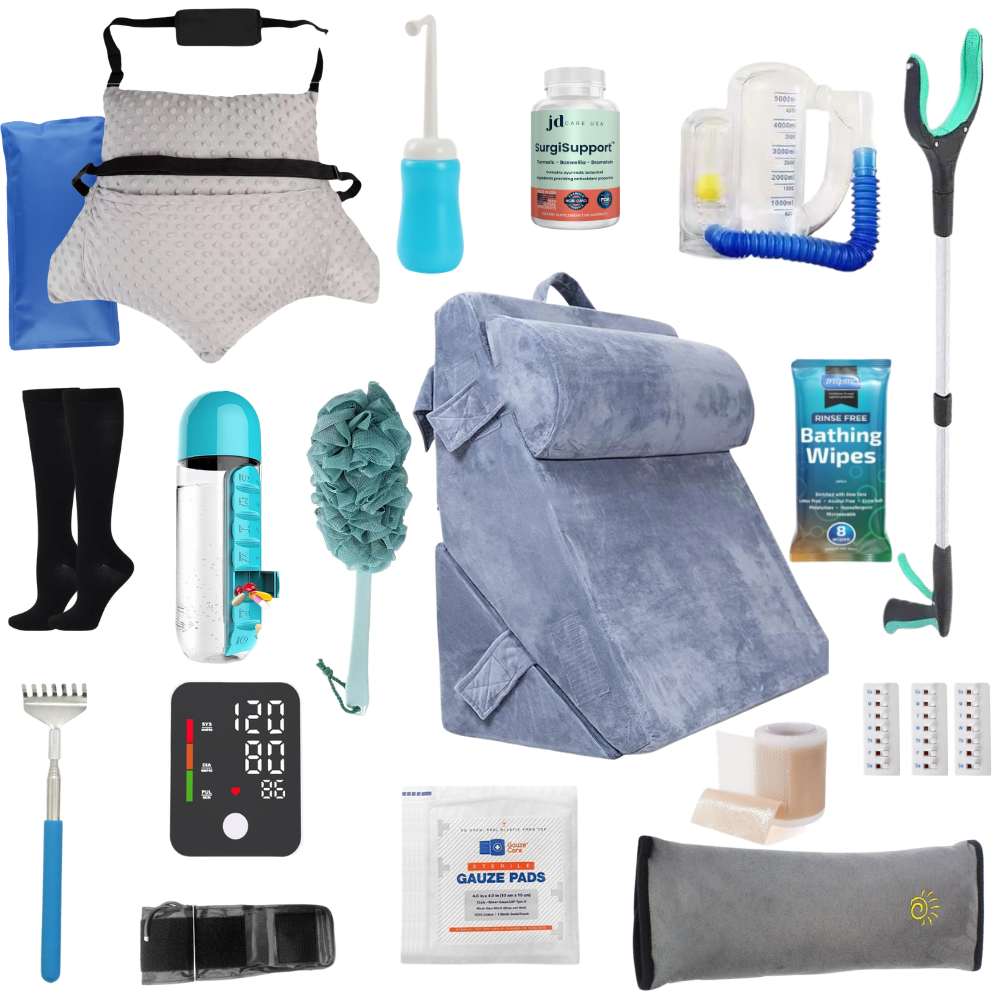
Open-Heart Surgery Recovery Must-Haves: Build A Heart Surgery Recovery Kit For Safer, Easier Healing
Open-heart surgery changes your body and your daily rhythm. The right recovery must-haves can make those first weeks safer, smoother, and less stressful, especially while you follow sternal precautions and rebuild stamina. This guide distills the practical gear, tools, and tracking habits you can include in a heart surgery recovery kit. You'll learn what supports comfort and mobility at home, what helps protect your incision, and which simple devices may support safer recovery by helping you stay on track.1, 2, 3
Key Takeaways
- Open heart surgery recovery must-haves include firm, elevated seating, hands-free mobility tools, and a safe home setup to protect the sternum and ease daily activities.1, 2
- Maintain incision care with gentle cleansing, breathable clothing, and only the dressings or gauze your care team advises to help reduce irritation and infection risk.2, 4
- Use an incentive spirometer if prescribed, monitor symptoms and any home vitals your team recommends, and keep a daily progress log to track healing and catch complications early.1, 5, 6
- Incorporate sleep aids such as bed wedges, pillows, and a medication routine to support rest and healing.1, 4
- Organize medications with pill organizers and reminders to maintain a consistent schedule and support hydration and recovery habits.1
- Share your recovery kit and care plan with your caregiver and follow your surgeon’s instructions closely throughout recovery.1, 3
1. Home Comfort And Mobility Gear: Your Heart Surgery Recovery Kit Essentials
Build a safer base camp at home
Your home setup affects how easy or hard daily activities feel during heart surgery recovery. Prioritize firm, elevated seating, clear walkways, and hands-free solutions so you can move with less strain on your chest.1, 2, 3
- Sturdy, high-seated chair or recliner: Sitting down and standing up are often easier from a firm seat with arms. If you do not have a recliner, a wedge cushion on a firm chair may help raise seat height.
- Bed wedge or adjustable bed: Elevation can reduce strain on your sternum and make rolling to your side easier. Some people are advised to sleep in a recliner early on, depending on comfort and their care team’s instructions.1
- Arm pillows and a small “cough pillow”: Hugging a small pillow to your chest when you cough, sneeze, or stand can help support your chest and make movement more comfortable.1, 4
- Non-slip footwear and grippy socks: Good traction helps reduce fall risk.
- Reacher/grabber tool: A grabber can help you retrieve dropped items and reduce unnecessary reaching or twisting.
- Light robe and front-opening clothing: Front zips or buttons can be easier than overhead clothing and may reduce irritation around the incision.
- Shower chair and hand-held shower head: Sitting can lower fall risk if you feel weak or fatigued. Avoid directing the spray straight onto the incision in the early healing period.4
- Raised toilet seat or toilet safety frame: This can reduce effort when sitting and standing.
- Seatbelt cushion for the car: A soft cushion can help reduce seatbelt pressure over the sternum.
- Night-lights and clutter-free floors: Clear walkways and better lighting help lower fall risk.
- Lightweight crossbody bag or apron with pockets: Keeps your phone, notes, and essentials close without repeated reaching.

JD Care USA has put together a convenient heart surgery recovery kit which makes a great gift for a loved one who has just been through the procedure.
Mobility aids and pacing tools
During heart surgery recovery, your energy is limited. Simple tools can help you move safely and avoid overdoing it.1, 3
- Walker or cane (if prescribed by PT): Even short-term use may help prevent stumbles when stamina or balance is low.
- Compression stockings (if prescribed): These may support circulation and help with leg swelling when your team recommends them.
- Step counter or simple pedometer: Gradually increasing steps, as cleared by your care team, can help support recovery.
- Kitchen or bedside caddy: Store medications, tissues, water, and your cough pillow where you actually need them.
Set up smarter surfaces
Small changes can add up to meaningful comfort while you follow sternal precautions.2, 3
- Elevated “landing zones”: Put everyday items at waist-to-chest height.
- Easy-open containers: Use lighter containers to reduce effort and strain.
- Rolling cart: Move essentials from room to room without carrying weight.
Recliner vs. bed: which early on?
| Option | Pros | Cons |
|---|---|---|
| Recliner | Easier sit-to-stand, elevation may help comfort, may require less rolling effort | May cause hip stiffness, may not be ideal long term |
| Bed with wedge | Better for long-term sleep, easier to reposition with pillows | May require more technique to get in and out |
Tip: Discuss where you will sleep during the first week before discharge, and try your sit-to-stand setup ahead of time if possible.1
Safety checklist for Day 1 home
- Clear one main pathway from bed to bathroom and kitchen.
- Stage a chair on every floor you use regularly.
- Keep a phone or alert button on you.
- Post your surgeon’s precautions where you can see them.
Your heart surgery recovery kit should make the right choice the easy choice. If something requires twisting, reaching, or forceful pushing with your arms, it is often a sign to adjust your environment instead.2, 3
2. Incision Care, Sleep, And Tracking Tools To Support Recovery
Incision care basics you'll actually use
Your goal is to keep the incision clean, dry, and protected without overhandling it. A small, organized wound-care station can help.2, 4
- Fragrance-free soap and clean washcloths: Follow your team’s bathing instructions. Pat dry rather than rubbing. Avoid lotions, creams, powders, or perfumes on the incision unless approved by your team.2, 4
- Sterile gauze and hypoallergenic tape: Use these only if your team tells you to cover the wound.
- Small mirror or phone camera: Helpful for checking hard-to-see areas, including leg vein-harvest sites if applicable.
- Loose, breathable clothing: Soft fabrics may reduce friction and sweat buildup.
- Red flags card: Write down signs that need a call, such as fever, spreading redness, swelling, opening wound edges, foul odor, drainage, or worsening pain.2, 4
Sleep, positioning, and pain control aids
Rest supports healing, mood, and your ability to stay active during recovery.1
- Wedge system or pillows: Elevating your torso and supporting your knees may improve comfort.
- White-noise machine or app and an eye mask: These can help create a calmer sleep environment.
- Cough or brace pillow: Keep one by the bed and in your main living area for coughing, sneezing, and position changes.
- Ice or heat packs: Use only if your care team approves. Some people find cold helpful near sore areas and gentle heat helpful for muscle tension.
- Medication organizer, timer, and pain scale card: Taking medicines as prescribed and tracking pain can make recovery more manageable.1, 4
Pro tip: Aim for pain control that allows you to walk, breathe deeply, and sleep, rather than expecting zero pain.1, 4
Breathing and heart-health monitoring
Daily tracking can help you notice problems early and see your progress over time.1, 5, 6
- Incentive spirometer: Use it exactly as instructed by your care team. Incentive spirometry is used after surgery to support lung expansion and help reduce postoperative pulmonary complications.5, 6
- Thermometer: Fever can be a sign of infection.2, 4
- Blood pressure cuff and pulse oximeter: If your team wants home monitoring, log readings and bring them to follow-ups.
- Digital scale: Some patients are instructed to weigh themselves daily to watch for fluid retention and report sudden weight gain.1
Medication, nutrition, and digestion helpers
Your body rebuilds with adequate fluids, enough protein, and consistent medication routines, while constipation prevention often matters during early recovery.1, 4
- Weekly pill organizer and travel case: Pre-sort medications with a caregiver if needed.
- Kitchen timer or phone alarms: Set reminders for medications, spirometer sessions, and walks.
- Water bottle with straw and ounce markings: This can make hydration easier to track if you do not have fluid restrictions.
- High-protein, soft snacks: Greek yogurt, cottage cheese, eggs, smoothies, or protein shakes may help when appetite is low.
- Stool softener or fiber supplement: Use only what your clinician recommends, especially if pain medicines are causing constipation.4
Daily progress tracker (simple but powerful)
Create a one-page log you update morning and evening. Keep it on a clipboard with a pen.1
- Pain (0–10) AM/PM
- Temperature, blood pressure, heart rate, oxygen saturation if instructed
- Weight
- Spirometer use
- Steps or minutes walked
- Bowel movement Y/N
- Notes: sleep quality, incision changes, questions for your nurse or doctor
Tracking patterns over time can help you and your care team see whether pain is improving, walking is increasing, and any warning signs need attention.1, 5
Caregiver coordination and safety docs
Smooth communication helps reduce errors and delays during recovery.1
- Discharge summary and precautions printed and posted
- Appointment calendar with ride plans and prep notes
- Emergency card in your wallet with procedure, date, surgeon, allergies, and current meds
- Contact sheet on the fridge for the surgeon’s office, visiting nurse or PT, pharmacy, and caregiver backup
What not to buy (or overuse)
- Heavy weighted blankets: These may add pressure on the chest.
- Tight compression garments over the chest: These can irritate the incision or restrict breathing unless specifically prescribed.
- Complicated gadgets you will not use consistently: A simple routine is usually more helpful than unused equipment.
Your heart surgery recovery kit isn't about more stuff: it's about the right stuff used consistently.
Other Recovery Kits:
Conclusion
Open-heart surgery recovery must-haves are simple tools that help protect your sternum, keep your incision clean, and make walking, sleeping, and tracking easier. Build a heart surgery recovery kit around elevation, safer mobility, and consistent monitoring, then tailor it to your care team’s instructions. Small wins, safe sit-to-stands, regular deep breathing work, steady walks, and careful follow-up all add up over time.1, 2, 5
Open Heart Surgery Recovery Must-Haves: Frequently Asked Questions
What essential items should be included in an open heart surgery recovery kit?
A practical recovery kit may include a sturdy elevated chair, bed wedge or adjustable bed, arm pillows, non-slip footwear, a reacher tool, shower chair, raised toilet seat, seatbelt cushion, night-lights, and lightweight clothing to support mobility and incision comfort.1, 2, 4
How can I protect my incision during recovery from open heart surgery?
Keep the incision clean and dry, use only the cleansing and dressing routine your team recommends, avoid rubbing, and avoid applying creams, powders, or perfumed products unless approved. Contact your doctor if you develop redness, swelling, drainage, wound opening, or fever.2, 4
What mobility aids are recommended to safely move around during heart surgery recovery?
Depending on your doctor’s advice, walkers, canes, reacher tools, shower chairs, raised toilet seats, and non-slip shoes can all make movement safer and reduce strain during recovery.1, 3
How does sitting in a recliner compare to sleeping in a bed with a wedge after heart surgery?
A recliner may make sit-to-stand easier early on, while a bed with a wedge may be better for longer-term sleep comfort. The best option depends on your comfort, strength, and your care team’s instructions.1
Why is daily tracking important during open heart surgery recovery, and what should I monitor?
Tracking symptoms and any home readings your care team requests can help spot problems early and show progress over time. Depending on your instructions, that may include pain, temperature, weight, walking, spirometer use, blood pressure, pulse, or oxygen saturation.1, 5
Can using heavy weighted blankets hinder recovery from open heart surgery?
Heavy weighted blankets may put extra pressure on the chest, so many patients will be more comfortable with lightweight layered bedding instead unless their clinician advises otherwise.
References
- American Heart Association. What Can I Expect When I Go Home After Heart Surgery? Available at: heart.org/-/media/files/health-topics/answers-by-heart/how-can-i-recover-from-heart-surgery.pdf
- University Hospitals Coventry and Warwickshire NHS Trust. Advice after your sternotomy surgery. Available at: uhcw.nhs.uk/.../Advice-after-your-sternotomy-surgery.pdf
- St George’s University Hospitals NHS Foundation Trust. After Your Heart Surgery. Available at: stgeorges.nhs.uk/wp-content/uploads/2023/11/CAS_AYHS_LP.pdf
- Guy’s and St Thomas’ NHS Foundation Trust. Heart surgery and recovery. Available at: guysandstthomas.nhs.uk/health-information/heart-surgery-and-recovery
- NCBI Bookshelf. Incentive Spirometer and Inspiratory Muscle Training. Available at: ncbi.nlm.nih.gov/books/NBK572114/
- Ebrahimian A, et al. Pre and postoperative nurse-guided incentive spirometry versus usual care in cardiac surgery patients. Available at: pubmed.ncbi.nlm.nih.gov/34676618/
Medical Disclaimer: This content is for informational and educational purposes only and is not medical advice. It is not intended to diagnose, treat, cure, or prevent any condition. All medical advice, treatment decisions, and recovery instructions must come from your doctor, surgeon, or other qualified healthcare professional.


